With drought conditions spreading across the UK, the need to protect our water resources has never been clearer. At Control Flow Technologies Group, we believe that combining water-saving technology with more sustainable water-use habits is essential to building a more resilient future.
The UK’s drought situation: A growing concern
The UK is facing increasing pressure on its water resources following an exceptionally dry spring and summer. Recent drought declarations across England highlight the scale of the challenge and the importance of taking action to reduce water consumption.
In October 2026, the Environment Agency declared drought status in Yorkshire, followed just days later by a severe drought declaration across parts of southern England. These developments underline the growing impact of prolonged dry weather on rivers, reservoirs and public water supplies.
Read the latest reports from Sky News:
The situation in southern England is particularly concerning, with rainfall between April and September reaching its lowest level in more than a century. Meanwhile, Yorkshire has experienced significantly below-average rainfall, leaving river flows and groundwater levels exceptionally low in some areas.
Although recent rainfall may offer some relief, it cannot immediately replenish depleted reservoirs, rivers and underground water reserves. Recovering from drought takes time, and continued dry conditions can place further pressure on the water supplies we rely on every day.
What is a drought, and what causes it?
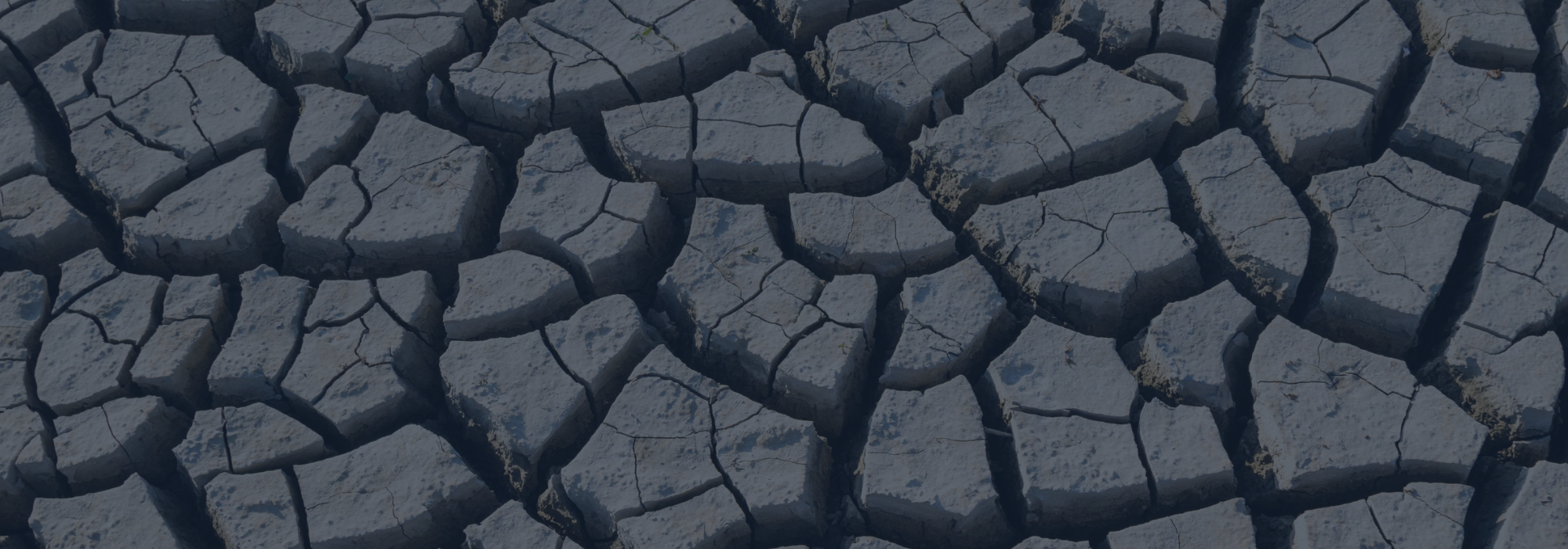
A drought occurs when an area experiences an extended period of insufficient water availability. It commonly develops following prolonged periods of below-average rainfall, but high temperatures, increased evaporation and rising demand for water can make the situation significantly worse.
There are several factors that contribute to drought conditions:
- Prolonged low rainfall
When rainfall remains below normal levels for an extended period, rivers, reservoirs and groundwater reserves gradually decline. Without sufficient rain to replenish these sources, the amount of water available for homes, businesses, agriculture and the natural environment decreases.
- Higher temperatures and increased evaporation
Warmer temperatures cause water to evaporate more quickly from the land, reservoirs and other water sources. Plants and crops also require more water during hot, dry periods, placing additional pressure on already limited supplies.
- Climate change
Climate change is contributing to shifts in weather patterns, including hotter summers, longer dry spells and more intense rainfall events. While heavy rainfall can cause flooding, it does not necessarily replenish water supplies effectively, particularly when rain falls in short, intense bursts rather than steadily over time.
- Increasing demand for water
Population growth, business activity, agriculture and everyday household consumption all contribute to demand for water. When demand increases while natural supplies decline, the risk of water scarcity becomes more pronounced.
Together, these factors can create a cycle in which water resources struggle to recover, even when rainfall eventually returns.
From drought to water scarcity: Why it matters
Drought and water scarcity are closely connected, but they are not the same thing. Drought is a natural phenomenon associated with a lack of water over time, while water scarcity occurs when available water resources are insufficient to meet demand.
A drought can intensify water scarcity, exposing weaknesses in how water is managed, distributed and consumed.
In the UK, water scarcity is an increasingly important long-term concern. Despite our reputation for wet weather, water resources are not unlimited, and availability varies considerably between regions and seasons.
The Environment Agency’s National Framework for Water Resources highlights the combined pressures of climate change, population growth and rising demand on the country’s water supplies.
The consequences extend far beyond the inconvenience of water restrictions. Water scarcity can affect:
- Households and communities: Reduced availability can lead to restrictions on water use and increased pressure on public supplies.
- Businesses and industry: Water-intensive operations may face higher costs, operational disruption and greater uncertainty over future supplies.
- Agriculture and food production: Dry conditions can damage crops, reduce yields and increase the water needed for irrigation.
- Rivers and wildlife: Lower river flows and reduced water levels can damage habitats, affect aquatic species and contribute to deteriorating water quality.
- Energy and infrastructure: Reliable water supplies are essential to many industrial processes and wider infrastructure systems.
These challenges demonstrate why water efficiency must become a priority, not simply a response to an immediate drought.
Why we cannot rely on rainfall alone
With drought declarations highlighting the vulnerability of the UK’s water resources, it is clear that waiting for the weather to change is not a sustainable long-term strategy.
Even when rainfall returns, depleted water reserves may take months to recover. At the same time, climate change and increasing demand are expected to place further pressure on water availability in the years ahead.
Caroline Gray Mason, Managing Director of Control Flow Technologies Group, highlights the importance of taking action now:
“With parts of southern England now facing severe drought, following Yorkshire just days earlier, it’s another reminder of how important it is that we take water scarcity seriously.
We simply can’t keep relying on rainfall to solve the problem.
Even here in the North East, we’re seeing warmer temperatures and longer dry spells. The pressure on our water resources is only growing, and we all need to think differently about how we use water.
There’s no single solution, but one thing is clear: we need to act now.
By combining behavioural change with investment in water-saving technologies and infrastructure, we can reduce demand, protect vital water resources and build greater resilience for the future.”
Her message reinforces the need for a proactive approach that combines immediate water-saving measures with longer-term investment in more efficient systems.
How Control Flow Technologies Group is helping
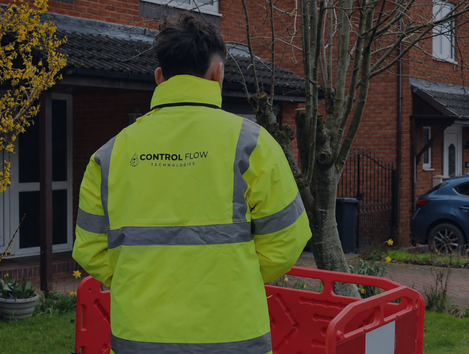
At Control Flow Technologies Group, we work to help organisations use water more efficiently through practical water-saving solutions, leak detection and repairs, and the installation of technologies designed to reduce unnecessary consumption.
We believe that reducing water demand is an essential part of addressing water scarcity. By identifying where water is being wasted and introducing more efficient alternatives, businesses and organisations can take meaningful steps towards protecting this valuable resource.
Our approach focuses on several key areas:
Identifying and fixing leaks
Leaking taps, faulty fittings and other plumbing issues can waste significant amounts of water over time. Identifying and repairing these problems helps prevent unnecessary losses and improves the efficiency of existing systems.
A leaky loo can waste up to 400 litres per day! That’s enough to fill 1,200 coca cola cans every day!
Installing water-saving technology
Our Control Flow HL2024® devices can help reduce consumption without compromising everyday functionality. When installed in appropriate applications, our technologies can make a measurable difference to the amount of water used across residential and commercial settings.
Encouraging more efficient water use
Technology is only part of the solution. Raising awareness of water consumption and encouraging more responsible habits can help reinforce the benefits of water-saving installations and support lasting behavioural change.
Supporting long-term water efficiency
By combining practical interventions with a focus on ongoing efficiency, organisations can reduce avoidable water waste, manage demand more effectively and contribute to more sustainable water use.
Through our work with clients and partners, we aim to make water efficiency an achievable, practical part of everyday operations.
Small changes, meaningful impact
Tackling water scarcity requires action at every level, from individual households to large businesses and public-sector organisations.
Simple steps can help reduce unnecessary water consumption, including fixing dripping taps, avoiding leaving water running unnecessarily, using water-efficient equipment and monitoring consumption to identify unusual usage patterns.
For businesses and property managers, reviewing water use across buildings and facilities can reveal opportunities to reduce waste that might otherwise go unnoticed.
However, individual actions must be supported by wider investment in water-saving technologies, infrastructure improvements and more effective management of water resources. Combining these approaches offers a stronger foundation for reducing demand and improving resilience.
Building a more water-resilient future
The recent drought declarations in Yorkshire and southern England are a reminder that water scarcity is no longer a distant concern. The effects of prolonged dry weather are already being felt across the country, and the pressures on our water resources are unlikely to disappear overnight.
There is no single solution to drought, but improving water efficiency is a practical step that we can take today.
At Control Flow Technologies Group, we are committed to helping organisations identify opportunities to reduce water waste, adopt water-saving technologies and make more sustainable use of the resources available to them.
We cannot control how much rain falls, but we can take greater control of how we use water. By acting now, we can help protect our water resources and build a more sustainable, resilient future for generations to come.
To find out more about Control Flow Technologies Group and our water-saving solutions, visit our website or get in touch with our team.